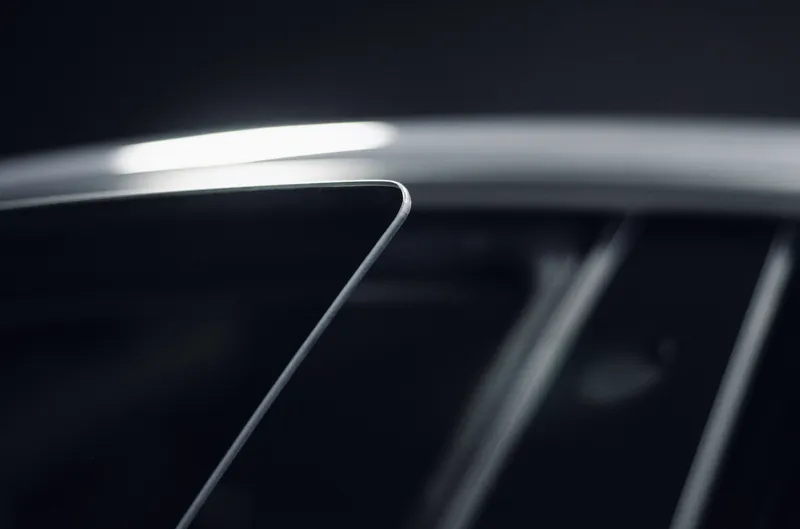
Window tinting is one of the most popular auto styling upgrades — and for good reason. Beyond transforming your car's appearance, quality window film provides serious benefits: UV protection that shields your skin and prevents interior fading, heat rejection that keeps your cabin cool, increased privacy, and enhanced interior protection. With different film types available and wide price ranges, choosing the right tint can feel overwhelming.
Whether you're protecting your paint from sun damage or just wanting that sleek, finished look, this guide covers everything you need to know about window tinting in Philadelphia.
Why Window Tinting Is a Must in Philadelphia
Philadelphia summers are no joke. Between intense UV rays, oppressive heat, and glaring sun reflecting off Center City buildings, your vehicle's interior is under constant assault. That's where professional window tinting becomes more than just an aesthetic upgrade — it's essential protection for you and your car.
Ceramic infrared window film acts as a shield against the elements. It blocks 99% of UV rays that fade your dashboard, crack your leather, and damage your paint. More importantly, it rejects infrared radiation that turns your car into an oven during summer parking. Drivers regularly report interior temperature drops of 10-20 degrees Fahrenheit with quality ceramic tint — a difference you'll feel every time you sit down.
Beyond the practical benefits, tint transforms the driving experience. Say goodbye to eye strain from relentless sun glare and hello to a cooler, more comfortable cabin. Your air conditioning works less hard, improving fuel efficiency. And visually? Tinted windows give your vehicle a polished, finished look that commands attention. It's the kind of upgrade that makes you smile every time you drive.
Think of tinting as an investment in your vehicle's longevity. UV and heat damage compounds over years — fading interiors, cracking dashes, weakened seals. By protecting your car from the sun now, you're preserving its resale value and keeping everything looking newer for longer. In a city like Philadelphia where summers are brutal, ceramic tinting isn't optional if you care about your investment.
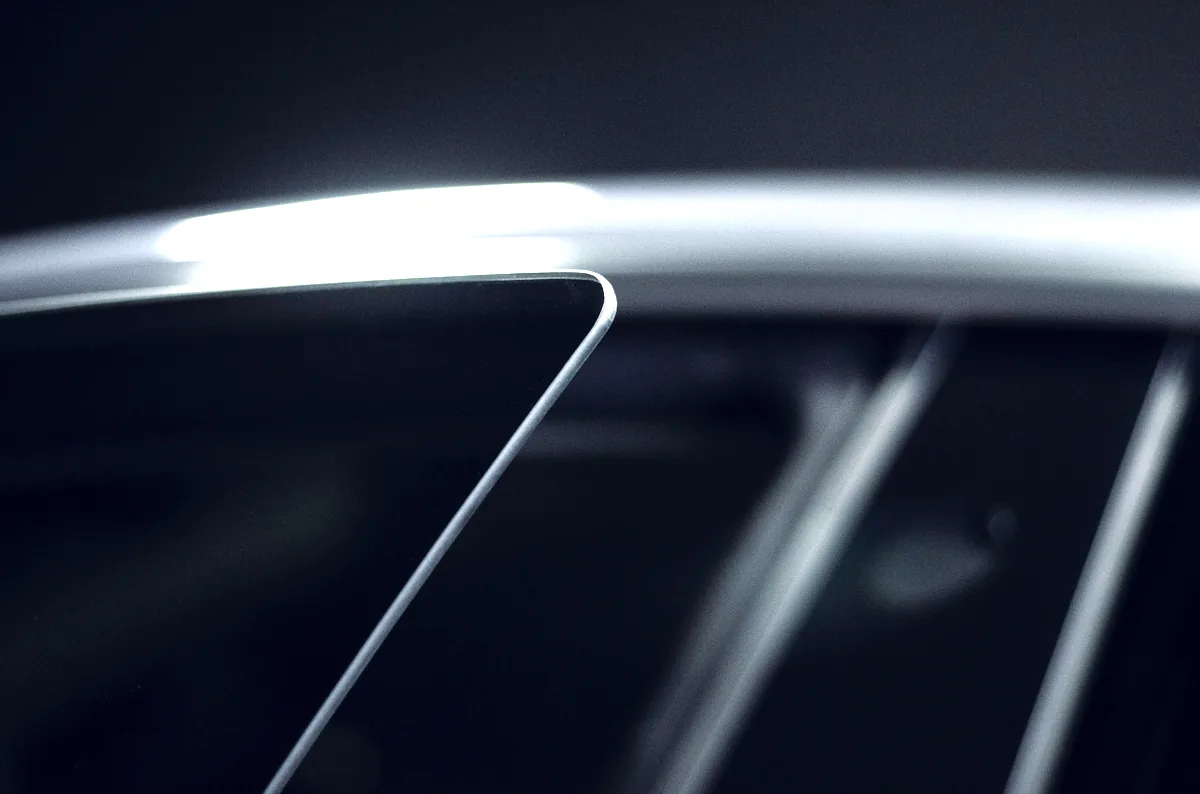
Before
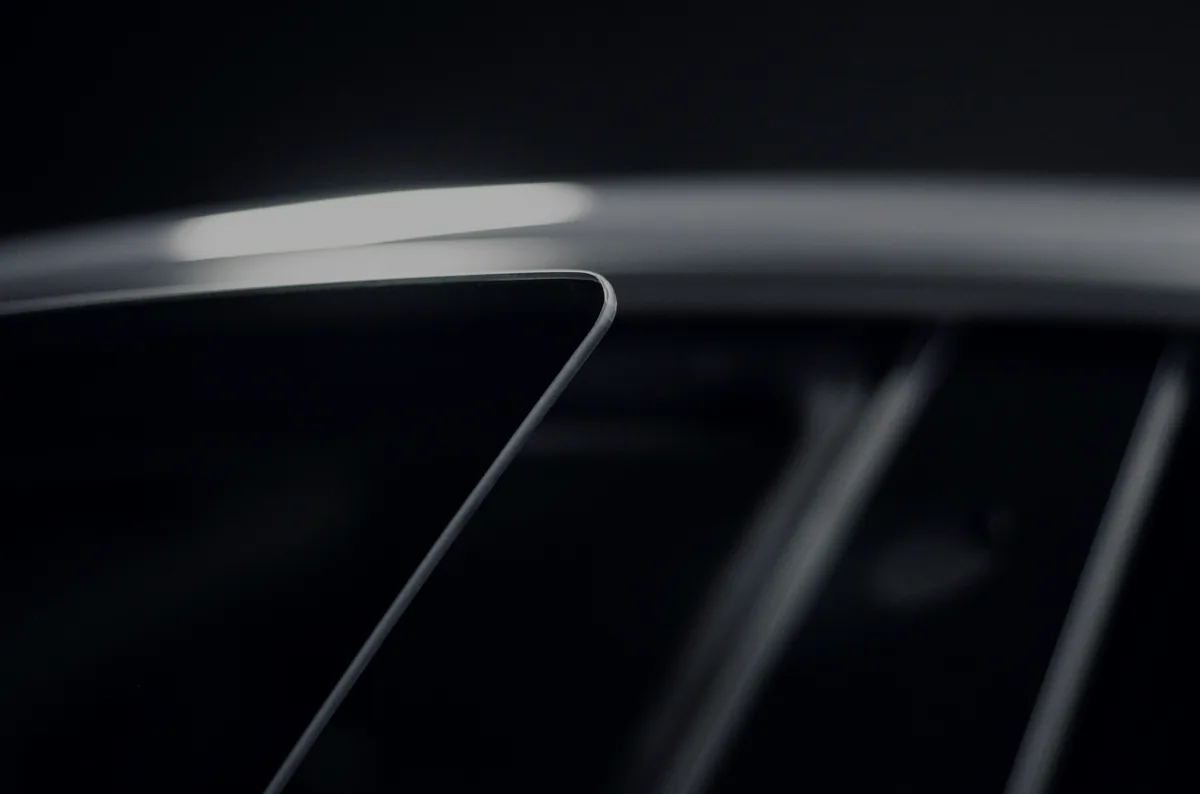
After
Types of Window Tint: Dyed, Metallic & Ceramic
Not all window tint is created equal. The film type dramatically affects performance, longevity, and appearance. Let's break down the three main categories:
Dyed Window Tint
Dyed tint is the most affordable option. A layer of dye is applied between an adhesive layer and a protective topcoat, giving your windows that dark appearance. It's commonly what you'll see offered at budget shops.
Pros: Affordable, looks good initially, decent privacy
Cons: Fades quickly (2-3 years), poor heat rejection, can bubble or peel, dye absorbs heat instead of rejecting it
Dyed tint works fine if you want temporary styling on a budget, but we rarely recommend it for vehicle protection.
Metallic Window Tint
Metallic films contain tiny metallic particles that reflect light and heat. They offer better performance than dyed films — superior heat rejection and longer lifespan (5-7 years).
Pros: Better heat rejection than dyed, longer lifespan, improved reflectivity, moderate price point
Cons: Can interfere with GPS, cell signals, and radio reception, develops a hazy or metallic appearance over time, can distort visibility slightly
Metallic films are a solid middle-ground option, though the signal interference is a legitimate concern for some drivers.
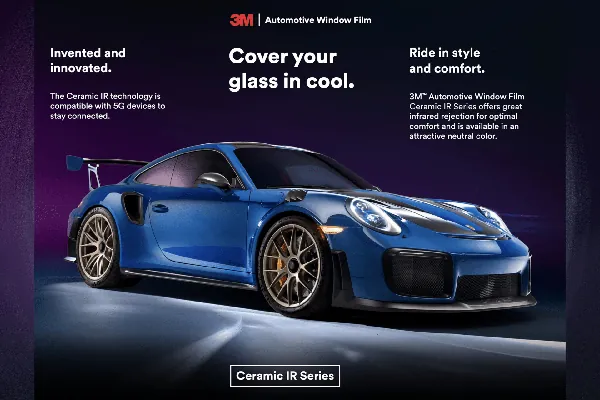
Ceramic Window Tint (Infrared Blocking)
Ceramic films use nano-ceramic particles instead of dyes or metals. This is the premium option, and for good reason. Ceramic film blocks up to 99% of UV rays and rejects significantly more heat than dyed or metallic films — some ceramic films block over 95% of infrared radiation.
Pros: Superior heat rejection, blocks 99% of UV rays, no signal interference (GPS/cell/radio unaffected), crystal clear visibility, lasts 10+ years, anti-glare technology
Cons: Higher price point ($400-700+ per vehicle), overkill for budget-conscious buyers
Ceramic IR films are what we recommend to most customers who care about long-term protection and performance. Yes, they cost more upfront, but the durability and performance benefits justify the investment.
Benefits of Window Tinting: Protection & Comfort
UV Protection
Window film blocks up to 99% of UV rays, protecting your skin from sun damage during drives and preventing your vehicle's interior from fading. Without tint, UV exposure degrades dashboard materials, leather, and upholstery — tint prevents this degradation.
Heat Rejection
A quality ceramic film can reduce interior temperatures by 10-20 degrees Fahrenheit on hot days. This means less strain on your air conditioning system, better fuel efficiency, and a more comfortable cabin. In Philadelphia summers, this is genuinely noticeable.
Glare Reduction
Tint cuts down on sun glare, reducing eye strain during daytime driving and making your windshield less reflective to oncoming traffic.
Privacy & Security
Darker windows increase privacy, making it harder for thieves to see valuables inside your vehicle. It also protects your privacy during daily driving.
Glass Protection
Window film holds glass together in case of impact, reducing injury risk from shattered glass and providing minor protection against break-ins.
Why Ceramic Infrared Film Is Worth the Upgrade
We get this question constantly: "Why pay more for ceramic when dyed is cheaper?"
The answer comes down to long-term value. A dyed tint might cost $200-300 but fades in 2-3 years, requiring replacement. A ceramic film costs more initially but lasts 10+ years without fading. Over the life of your vehicle, you'll likely spend less on a ceramic installation than on replacing dyed film multiple times.
Beyond lifespan, ceramic offers performance benefits dyed film simply can't match: superior heat rejection that dyed film can't provide, zero signal interference, crystal-clear visibility, and that premium appearance that doesn't fade into a hazy mess.
For Philadelphia drivers who value their vehicle and want protection without compromise, ceramic is the smarter choice.
Window Tinting Pricing Guide
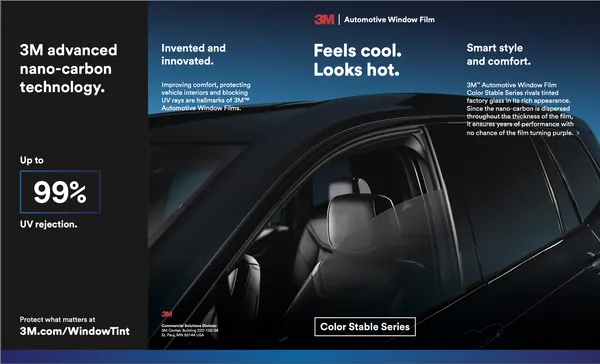
Pricing varies based on vehicle size, film quality, and coverage. Here's what to expect in the Philadelphia area:
Dyed Tint
- Sedan: $150-250
- SUV/Crossover: $200-350
- Truck: $250-400
Metallic Tint
- Sedan: $250-400
- SUV/Crossover: $350-500
- Truck: $400-600
Ceramic Infrared Film (Premium)
- Sedan: $400-600
- SUV/Crossover: $500-700
- Truck: $600-850
Remember: these are general ranges. Prices fluctuate based on the specific film brand (3M Crystalline, LLumar, XPEL are premium brands), your vehicle's window complexity, and installer expertise. At Driven, we use exclusively professional-grade films backed by manufacturer warranties.
The Installation Process
Professional window tint installation typically takes 1.5 to 2 hours. Here's what happens:
- Preparation: Windows are cleaned thoroughly to remove all contaminants
- Cutting: Film is precisely cut to match your window shapes using heat shrinking or a cutting machine
- Application: Soapy water is applied as a lubricant, and the film is carefully applied to avoid bubbles
- Curing: Film needs 24-48 hours to fully cure before rolling windows down or washing
The quality of installation matters as much as the film itself. Cheap installations often result in bubbles, peeling edges, and poor longevity. Professional installers have the equipment and experience to get it right.
Ready to Protect Your Vehicle?
Get professional window tinting with premium ceramic infrared film from Driven Auto Styling. Expert installation and maximum heat rejection — with warranty-backed films. Schedule your free quote today.
Book Your Tinting AppointmentMaintenance & Aftercare
Once your tint is installed, a little care keeps it pristine:
- Wait 48 hours before rolling windows down — the adhesive needs time to cure
- Avoid car washes for the first week — use gentle hand washing instead
- Use soft, non-abrasive cloths when cleaning windows to avoid scratching the film
- Avoid extreme temperature shocks — don't blast AC immediately after hot sun exposure
- Never use razor blades or harsh chemicals on the interior film side
Quality ceramic film is durable and low-maintenance, but proper care extends its life and maintains appearance.
Final Thoughts
Window tinting is an investment in your vehicle's protection, comfort, and appearance. While dyed film is affordable, ceramic infrared film delivers superior performance, longevity, and protection that justifies the cost. In Philadelphia's intense summer sun, the benefits of ceramic tint — reduced interior heat, UV protection, and long-term durability — make it the smart choice for serious vehicle owners.
Ready to explore your options? Driven Auto Styling offers professional window tinting with premium warranty-backed films and expert installation. Call us at (267) 307-1589 or visit our contact page to book your free consultation.
Related Services at Driven
- Professional Car Detailing — Pair tinting with interior/exterior detailing for complete protection
- Ceramic Coatings — Add paint protection to complement your window tint
- Tesla Tinting — Specialized tinting solutions for Tesla owners