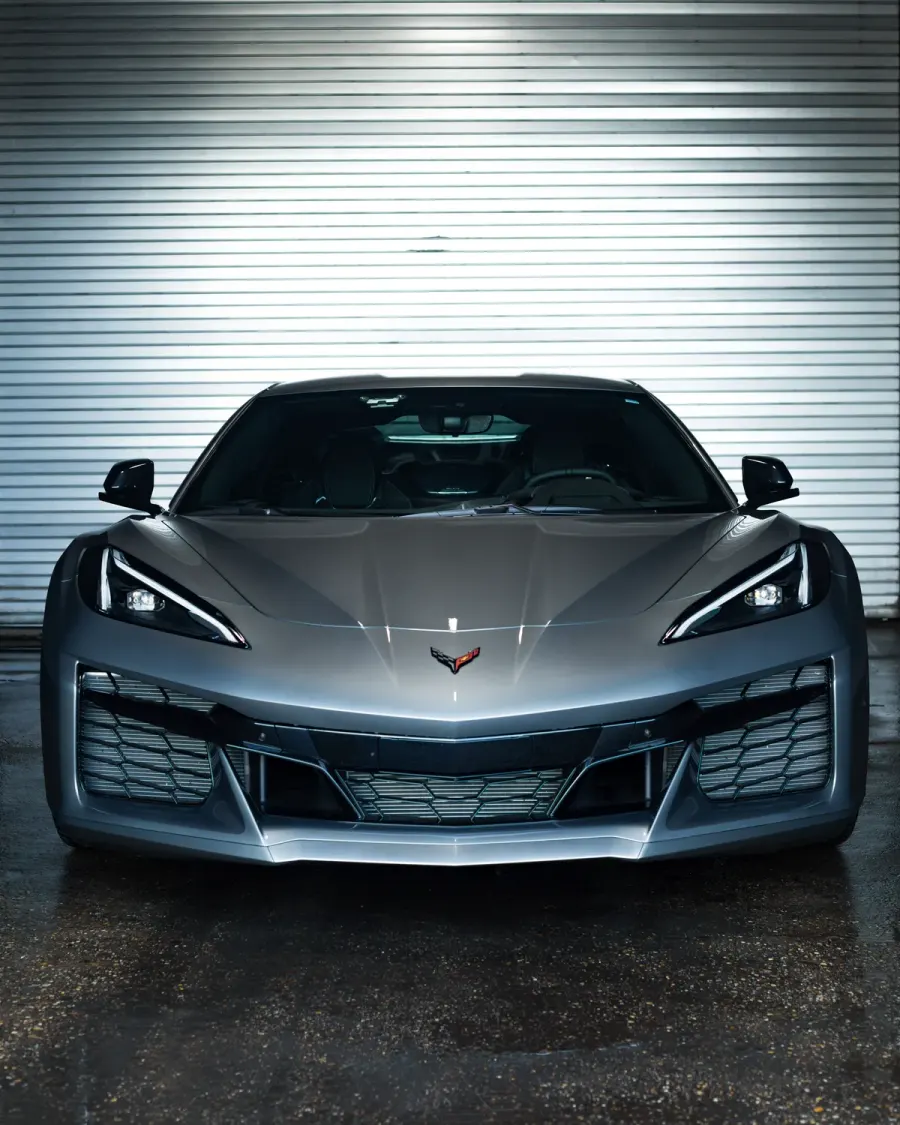
Paint protection film (PPF) is one of the most misunderstood auto styling services. Some owners swear by it; others question whether it's worth the investment. We hear this question constantly: "Is PPF really necessary?"
Here's the honest answer: It depends on your vehicle, driving habits, and priorities. But for most owners who care about paint condition and long-term value, PPF delivers genuine protection that justifies the cost.
What is Paint Protection Film?
Paint protection film is a transparent, self-healing urethane film applied to your vehicle's exterior — typically the high-impact areas prone to rock chips and scratches. Premium brands like 3M offer films that are nearly invisible once applied.
How PPF Works
PPF acts as a physical barrier between your paint and road hazards. When a rock chip, bug splatter, or scratch occurs, the film absorbs the impact instead of your clear coat. Modern PPF includes a self-healing top coat that automatically repairs minor scratches with exposure to heat from the sun or warm water.
Key Features of Premium PPF
- Self-healing top coat: Minor scratches and swirl marks disappear with heat
- Anti-yellowing technology: Premium films use UV inhibitors that prevent discoloration
- Hydrophobic: Water beads off, reducing water spotting
- Nearly invisible: Quality 3M films are optically clear and undetectable
- Durable: High-quality PPF lasts 7-10+ years
PPF Coverage Options: Partial vs Full Front vs Full Body
You have flexibility in how much of your vehicle you protect. Different coverage levels suit different priorities and budgets.
Partial Front (Hood, Fenders, Front Bumper, Mirrors)
Cost: $800-1,400
Best for: Owners wanting rock chip protection on high-impact areas without full-front expense
This is where most road debris hits. Protecting these areas alone prevents the majority of paint damage you'll encounter daily.
Full Front (Hood, Fenders, Front Bumper, Mirrors, Headlights, Door Handles)
Cost: $1,200-2,000
Best for: Comprehensive protection of all front-facing surfaces
Full-front PPF covers everything exposed to oncoming road hazards, providing complete front-end protection.
Full Body (Complete Vehicle Coverage)
Cost: $3,500-6,000+
Best for: Luxury vehicles, high-end cars, or owners with unlimited budgets
Full-body PPF protects every exposed surface — front, sides, rear, roof, even the door handles and trim. It's the ultimate paint protection but requires significant investment.
Self-Healing Technology: How It Works
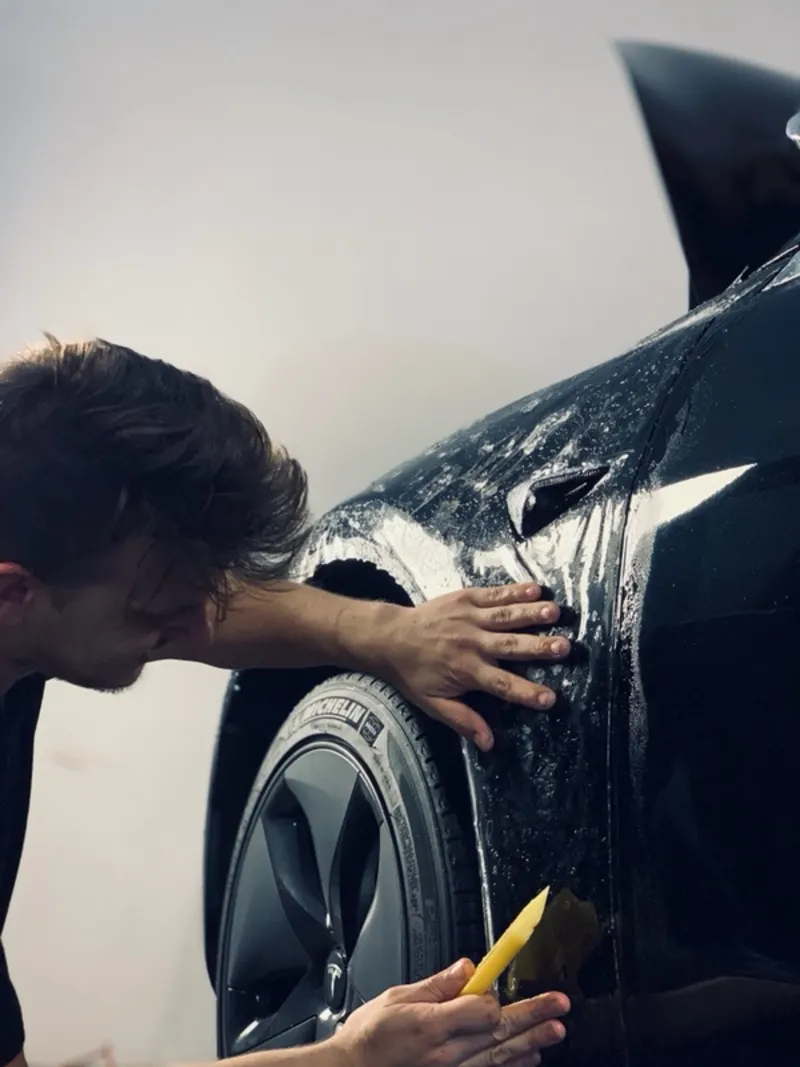
The self-healing top coat is what separates modern PPF from older protective films. When exposed to heat, the film's molecular structure reforms, closing minor scratches and swirl marks.
This happens automatically with:
- Sun exposure (especially on hot days)
- Hot water washes
- Heat from detailing equipment
However, self-healing has limits. Deep gouges, large chips, and punctures won't heal. The technology is designed for minor scratches and swirl marks — not damage repair.
PPF vs Ceramic Coating: Should You Choose One or Both?
PPF protects against physical damage — rock chips, scratches, and abrasion. It's a sacrificial layer that takes the hit so your paint doesn't.
Ceramic coating protects against chemical damage — UV rays, bird droppings, tree sap, road salt, and oxidation. It creates a hydrophobic surface that repels contaminants.
Here's the thing: they protect against different threats. PPF + ceramic coating is the ultimate protection package. PPF handles impact damage; ceramic coating handles environmental degradation. Together, they're nearly unbeatable.
Most high-end car owners we service choose both. It's the most comprehensive protection available.
Is PPF Worth It? The Real Value Proposition
PPF costs $800-6,000+ depending on coverage. Is that investment justified?
Scenarios Where PPF Is Definitely Worth It
- New luxury or sports car: Factory paint is valuable; PPF protects your investment
- High-mileage highway driving: More road debris = higher chip probability
- Darker paint colors: Chips are more visible on black, dark blue, and dark gray
- Leased vehicles: Avoid costly damage charges at lease end
- Eventual resale: PPF protects paint condition, supporting resale value
Scenarios Where PPF Might Be Overkill
- Older vehicles with modest value
- Primarily city driving with low highway mileage
- Light-colored vehicles where chips are less visible
- Budget constraints and full-body coverage is prohibitively expensive
For most of our customers, PPF represents excellent value. A single rock chip repair costs $300-800 depending on severity. One costly repair often justifies the PPF investment. When you consider protection over 7-10 years, PPF is smart protection spending.
PPF Cost Breakdown: Partial Front vs Full
Using current Philadelphia market pricing:
Partial Front (Most Popular Option)
- 3M Scotchgard Pro: $850-1,200
- Installation labor: Included
Full Front Coverage
- 3M Scotchgard Pro: $1,400-1,800
- Installation labor: Included
Full Body Coverage
- 3M Scotchgard Pro: $4,000-5,500
- Installation labor: 4-6 days
Premium brands command higher prices but offer superior clarity, durability, and self-healing performance. Budget films save money upfront but often yellow and fail to deliver long-term value.
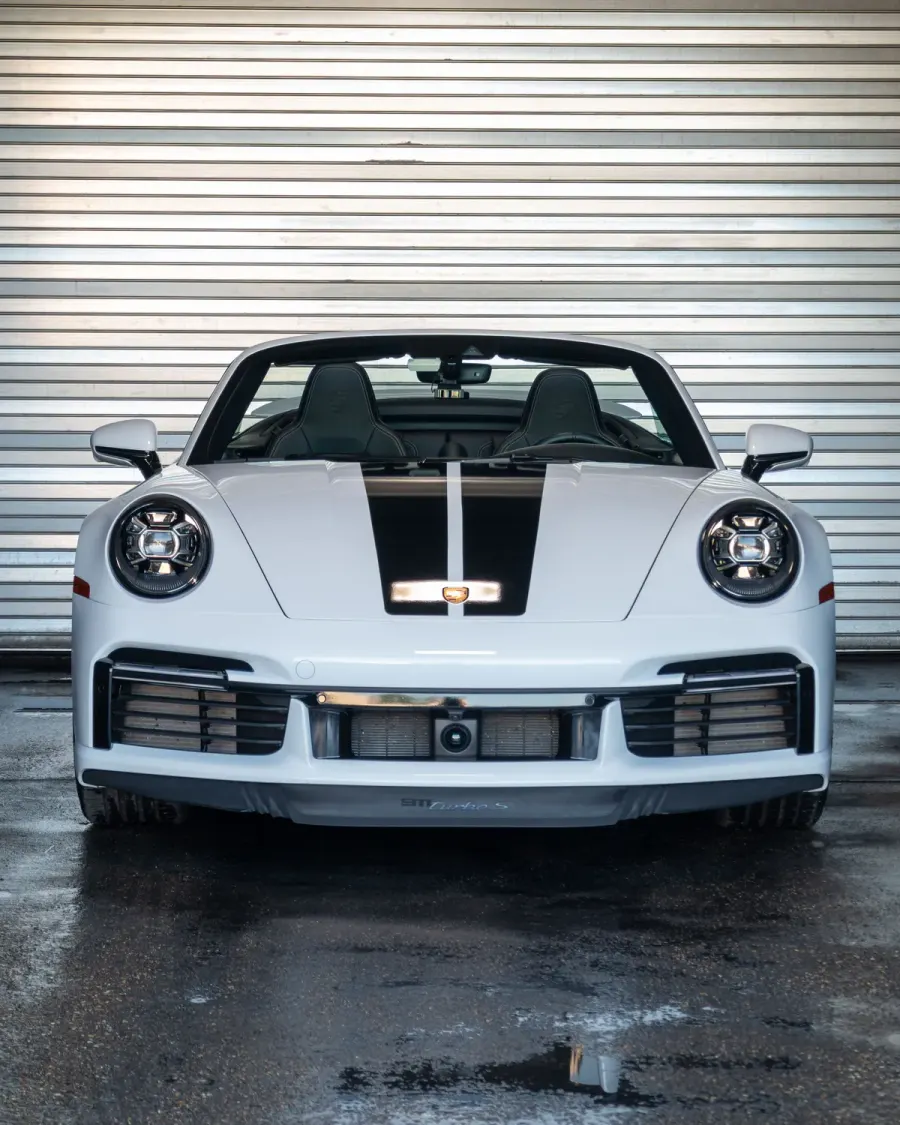
Protect Your Paint Investment
Driven Auto Styling uses premium 3M PPF with expert installation. Get your free consultation to discuss which coverage level fits your vehicle and budget.
Book Your PPF ConsultationInstallation Timeline & Aftercare
Professional PPF installation requires time and precision:
- Partial Front: 2-3 days
- Full Front: 3-4 days
- Full Body: 4-6 days
Aftercare is straightforward: wait 48 hours before aggressive washing, then maintain with gentle hand washing using pH-neutral soap. Avoid automatic car washes with harsh brushes, and don't pressure wash directly on film edges.
The Hidden Benefit: Resale Value Protection
Here's something many owners don't consider: PPF protects your vehicle's resale value. Buyers pay a premium for vehicles with pristine paint. Rock chips and swirl marks reduce appeal and negotiating power.
A car with PPF-protected paint typically maintains better condition and higher resale value than an unprotected car after 5+ years. This ROI benefit often offsets the PPF investment.
Final Verdict: Is PPF Worth It?
For owners who value their vehicles and plan to keep them 3+ years: Yes, PPF is absolutely worth it. Especially when combined with ceramic coating, PPF provides comprehensive protection that pays dividends in paint preservation and resale value.
For daily drivers in harsh climates or high-mileage situations: PPF is essential — it's one of the best protection investments available.
For budget-conscious owners with older vehicles: Consider partial front PPF as a middle-ground option. It protects high-impact areas without full-body expense.
At minimum, protect your paint somehow. Whether it's PPF, ceramic coating, or both, proactive protection beats reactive repair every time. Call us at (267) 307-1589 to discuss your PPF strategy.